In Conversation with Cristina von Sperling Afridi: A Visionary Voice Behind KkAWF
Dianova Connects: Who is Cristina von Sperling Afridi?
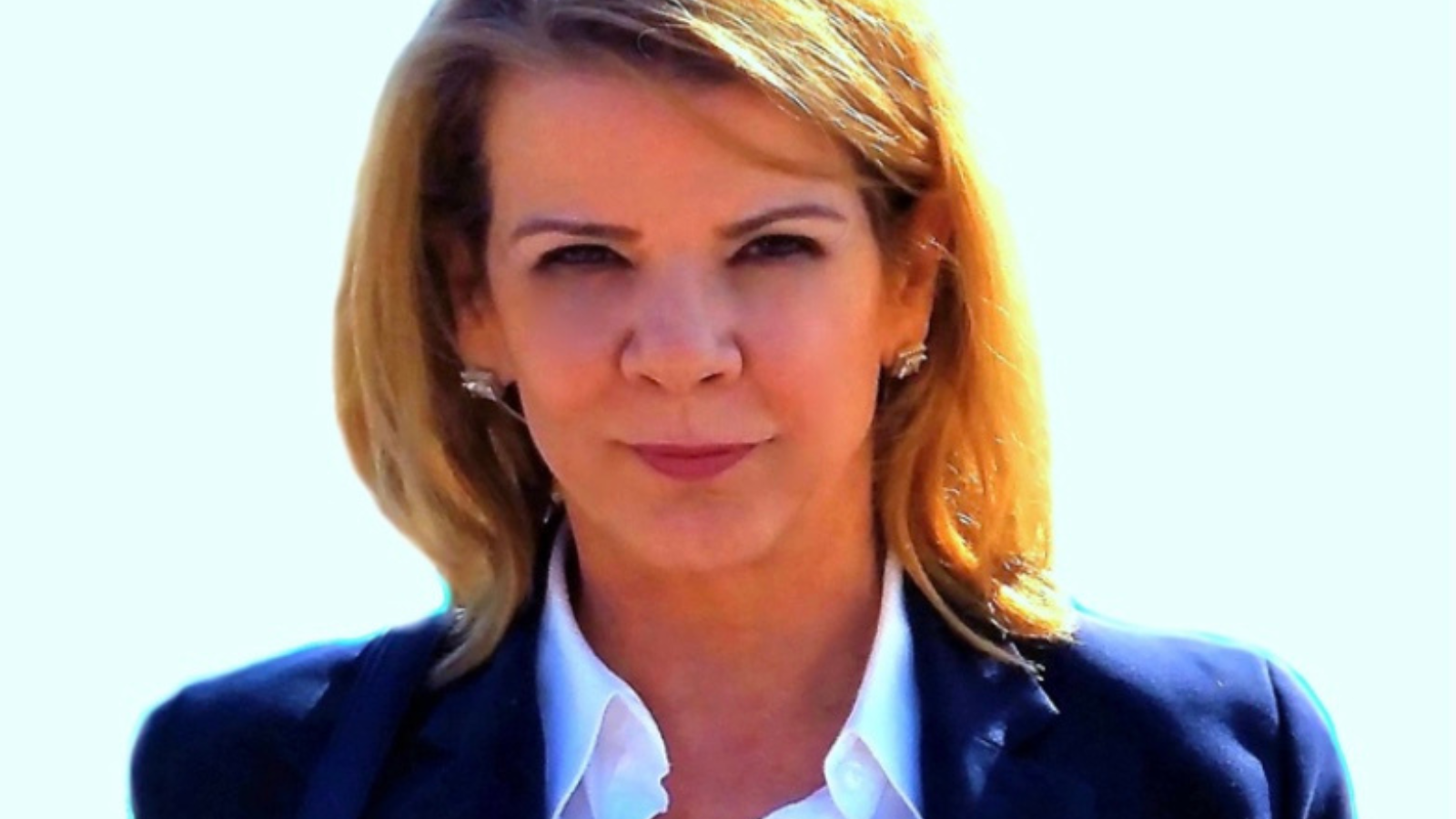
Cristina von Sperling Afridi: Cristina is a Brazilian national who has made Pakistan her home for the past 26 years. Based in Islamabad, she studied Arts at the Accademia di Belli Arti Pietro Vannucci and the University of Perugia in Italy. Her career has spanned multiple industries—from marketing in Brazil to interior design in several countries, and even running a restaurant in Pakistan.
A philanthropist, equestrian, and environmentalist, Cristina was awarded the Tamgha-e-Imtiaz by the Government of Pakistan for her contributions to social work. In recognition of her efforts to strengthen Brazil–Pakistan relations, she was also honored with the Dame of the Order of Rio Branco by the Government of Brazil.
She is married to Ambassador (Rtd) Tariq Khan Afridi, who served Pakistan in Brazil, Jordan, Portugal, and Libya.
Dianova Connects: What does a typical day look like in your role at KKAWF?
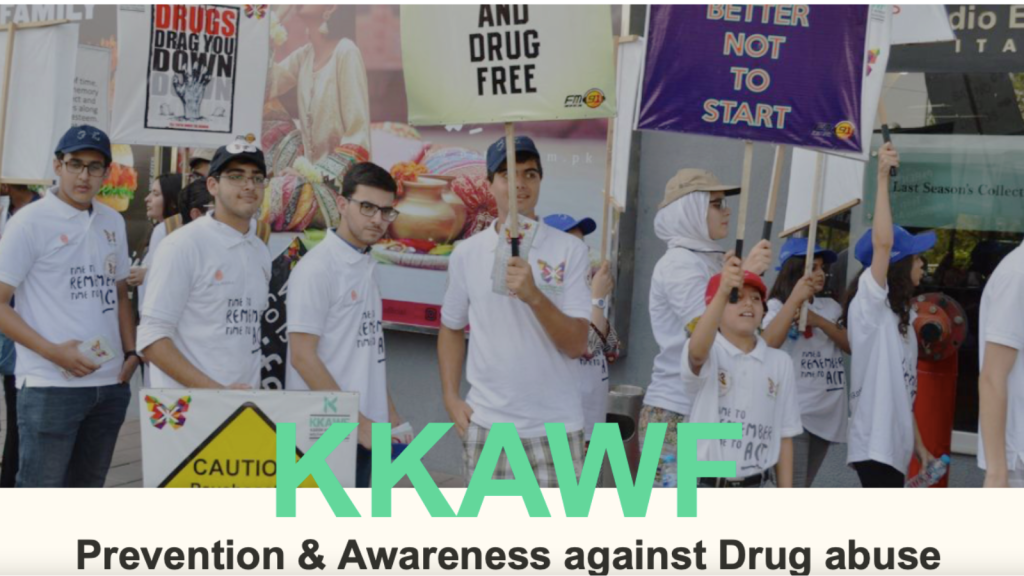
CvSA: As a pioneer of drug awareness campaigns in Pakistan, my day is filled with meetings to ensure the implementation of our annual programs across communities and educational institutions.
Typically, most days see me being a speaker at webinars, national conferences, podcasts, TV interviews, networking with government, media business community and delivering sessions at educational institutions.
Our focus is on helping youth identify, understand, and manage emotions during their formative years. Every day brings a new idea and a new opportunity to make a difference.
Dianova Connects: What shaped your journey to becoming Chairperson of KKAWF?
CvSA: The turning point was the devastating loss of my only child at the age of 19 due to recreational drug use. In his memory, I founded KKAWF to break the taboo surrounding drug use and mental health in Pakistan. What began as a response to grief became a movement to protect other families from similar tragedies.
Dianova Connects: How does KKAWF impact communities in Pakistan?
CvSA: KKAWF opened a national dialogue on drug prevention at a time when no one wanted to talk about it. We focus on educating youth, promoting environmental responsibility, encouraging civic engagement, and offering sports as a healthy outlet. Our programs are rooted in youth engagement and empowerment.
Dianova Connects: What are the biggest challenges—and how is KKAWF innovating to address them?
CvSA: Our greatest challenge is financial. Prevention is hard to “sell” because it’s about avoiding something that hasn’t yet happened. It takes wisdom to invest in it. As we mark our 10th anniversary this year, we hope the corporate sector will step up to help us expand teacher training and outreach in rural areas.
Dianova Connects: From digital transformation to social stigma, what are you learning?
CvSA: We’re proud to introduce our AI-driven drug prevention app, which empowers educators and engages youth. It offers refresher tools for trained teachers and expands our reach to remote areas. The more we talk about addiction, the more we break the stigma.
Dianova Connects: What opportunities lie ahead for growth and collaboration?
CvSA: There is growing global unity around science-based prevention. I’m encouraged by how many organizations and policymakers are now aligned on the importance of protecting youth. With more collaboration, we are stronger—and the future looks hopeful.
Dianova Connects: What is KKAWF’s mission—in one sentence that moves hearts and minds?
CvSA: “Sadly, I know where my son is now—but many parents don’t know where their children are, even if they’re at home. It’s not about individuals; it’s about communities. We work with love and logic to help youth develop emotional resilience and a sense of self-defense.”
Dianova Connects: What message do you have for those considering a role in the social sector?
CvSA: Honestly, it’s incredibly rewarding. If more people worked for the good of others, the world wouldn’t be so full of sadness. I wholeheartedly encourage anyone with compassion to get involved—you will make a difference.
Dianova Connects: What is your biggest dream—for yourself, KKAWF, or Pakistan?
CvSA: While I know a world without addiction or suffering may be a utopia, my real dream is to establish an international-standard rehabilitation center in Pakistan—offering detox, recovery, reintegration, and vocational training. A place where individuals rediscover self-worth and heal for life.
PART II: The Personal side of Cristina
Dianova Connects: What do you enjoy doing when you’re not working?
CvSA: I used to be an equestrian, competing in horse jumping every weekend. Nowadays, I enjoy swimming, gardening, spending time with my dogs, and listening to all kinds of music. I’m always thinking and creating new ideas or redesigning spaces—it’s how I breathe.
Dianova Connects: If you could teleport anywhere for a day—where would you go and with whom?
CvSA: If I could… I would visit my son. I’ve traveled the world, so there’s no single dream destination, but I’d love to be somewhere like Seychelles or Sardinia, with crystal-clear turquoise waters. And yes, I’d bring my husband—for family peace! (laughs)
Cristina von Sperling Afridi, Chairperson
Karim Khan Afridi Welfare Foundation